
6 Tips to Get Your Equipment Ready for Winter
December 2, 2025
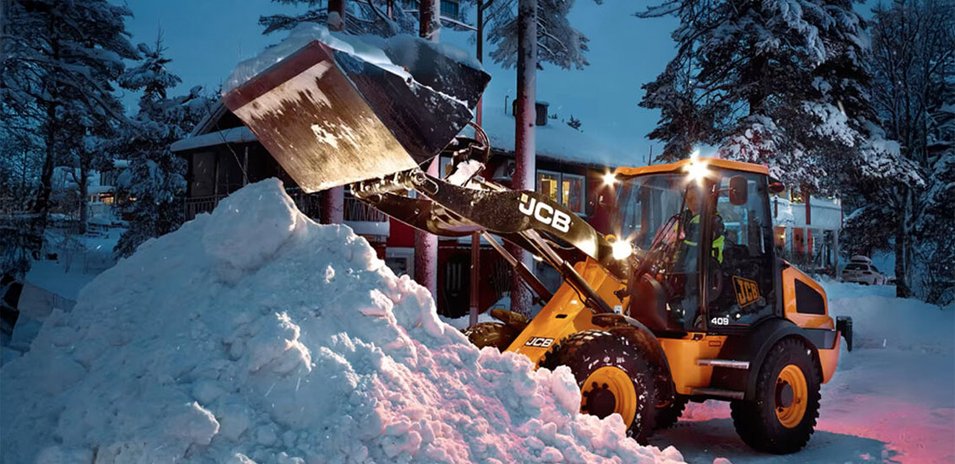
From choosing the right machines and winter attachments to battery care, here’s how to keep your fleet working in cold weather.
Winter weather is unpredictable, from sudden snowfall to prolonged freezes, so it’s important to ensure your equipment is ready for the conditions ahead. Preparing early helps prevent unexpected downtime, extends the life of your machines, and keeps operators safe on the job.
Here are six key steps to help your fleet transition smoothly into the winter season.
1. Choose the Right Equipment and Attachments
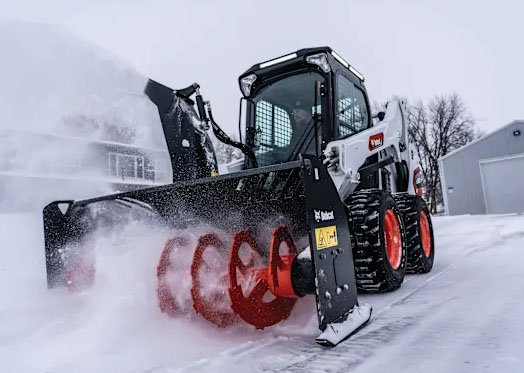
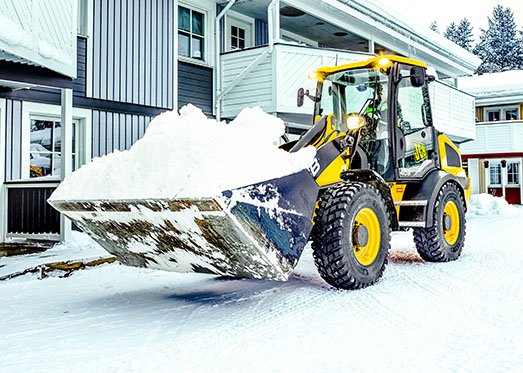
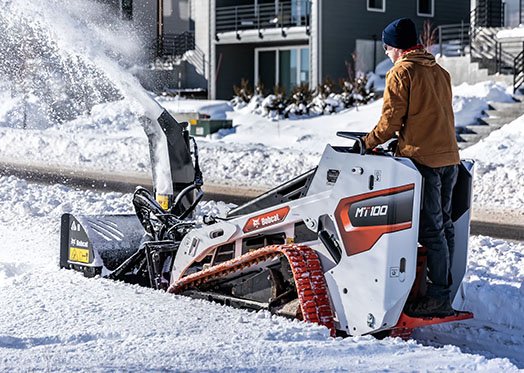
The first step in preparing for winter work is ensuring you have the appropriate machines and attachments for the job. Your needs will vary based on the size of the site, the type of work required, your budget, and how frequently the equipment will be used. Commonly relied-on winter machines include Skid-Steers Loaders, Mini Track Loaders, and Wheel Loaders, all of which offer the power and maneuverability needed to handle snow, ice, and cold-weather material handling.
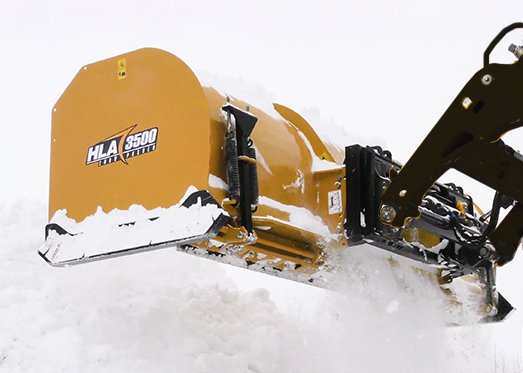
Equipping your machines with the right winter attachments is just as important. Popular options include snow plows, snow blowers, buckets, and sweeper attachments, which help clear snow efficiently, improve traction, and reduce strain on your equipment. Choosing the correct attachment ensures each machine can perform safely and effectively in winter conditions.
2. Winter Tires & Tracks
Canadian winters mean one thing: snow tires are a must — even for your equipment. Prepare your machines for winter jobs by installing winter tires in advance. The added traction and stability help maintain equipment performance and keep your workers safe on slippery surfaces.
During the season, perform regular tire inspections. Ensure tires are properly inflated, monitor for wear, and watch for cracking or chunking. Replace your snow tires if you notice significant chunking or if the centre tread has worn smooth to maintain optimal safety and performance.
3. Engine Maintenance
Protect your equipment from costly repairs and downtime by giving special attention to your machine’s engine.
Maintain your fuel system by cleaning the fuel tank cap and inspecting the filter thoroughly. Cold winter temperatures can affect fuel quality, so it’s recommended to switch to hydraulic and engine oils formulated for low temperatures.
Let our certified service team handle your equipment maintenance. Whether you need same-day emergency repairs or a long-term maintenance plan, our experts are ready to keep your fleet running smoothly all winter long.
4. Undercarriage Maintenance
Proper undercarriage maintenance is essential for keeping your machines running smoothly over the long term. Clear snow, ice, and debris from the undercarriage at least once a day, especially in winter when fluctuating temperatures can cause buildup to freeze solid overnight and reduce machine efficiency. Cleaning your equipment after each snowfall also helps prevent rust and improves worker safety by enhancing visibility and traction around the machine.
5. Battery Maintenance
Make sure the battery electrolyte is filled above the plates to maintain performance. Clean off any dirt and debris, and confirm that terminal posts and cables are tight and making solid contact. Keep batteries warm and fully charged to make cold starts easier. This is especially important in winter, when they need to deliver up to twice the cranking amps. In subzero conditions, store batteries at room temperature when they’re not in use.
6. Maintaining Fluids
Cold weather is tough on your machine’s fluids, so a winter check is essential to keep everything running smoothly. Make sure you’re using manufacturer-recommended winter-grade engine oil, hydraulic oil, and gear lubricants so they can flow properly at low temperatures and protect critical components. Verify that your coolant has the correct mix and freeze protection rating for the conditions you operate in, and flush or top up if needed. Inspect hoses, seals, and fittings for leaks or cracks, since cold temperatures can make rubber brittle and more likely to fail. For diesel units, use winterized fuel or an approved anti-gel additive, and drain water separators regularly to prevent ice and fuel system damage. Whenever possible, store bulk fluids in a heated or sheltered area and allow machines a proper warm-up period so fluids can reach operating temperature before heavy work begins.
At Williams Machinery we are committed to keeping you up and running all season long. In addition to selling, and renting equipment, we also have numerous service and parts experts to help with all your maintenance needs.